
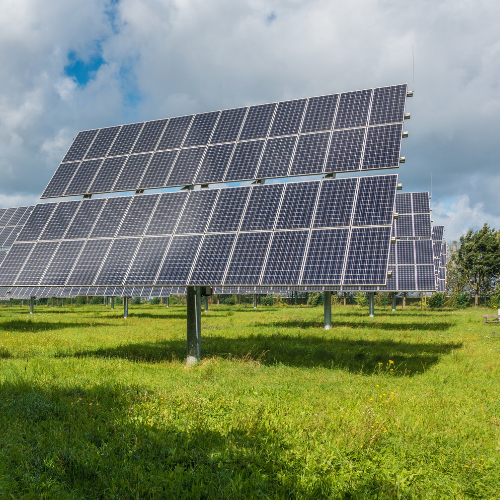
Solar Installation in Indio
Powering the Coachella Valley's festival capital with clean energy. Premium solar installations for Indio's growing residential and entertainment districts.
Indio Solar Market
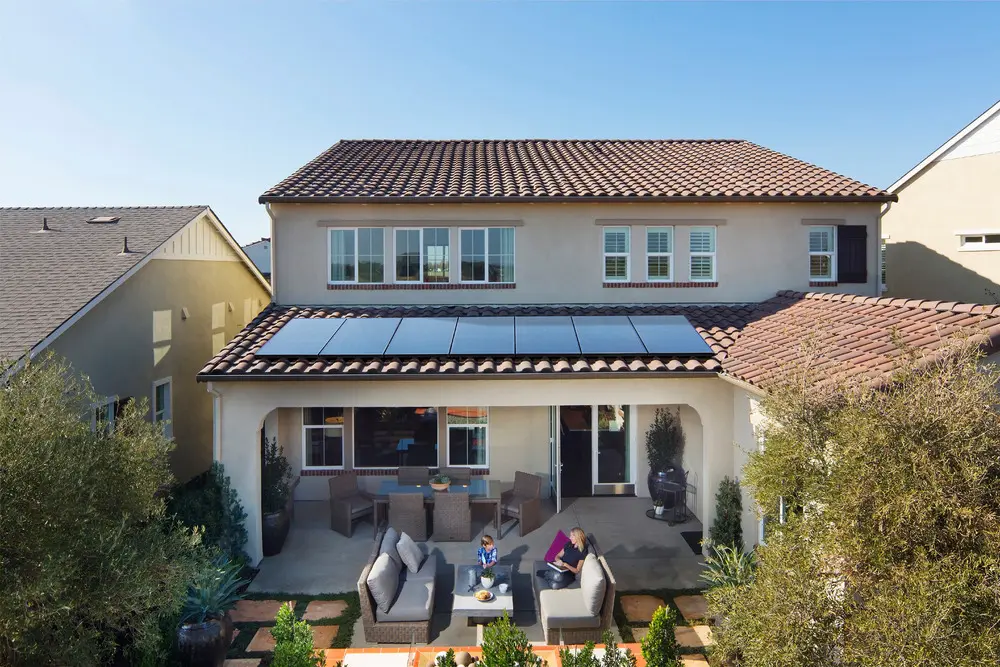
Why Indio is Perfect for Solar
As the Coachella Valley's entertainment hub and fastest-growing city, Indio combines exceptional solar conditions with diverse residential and commercial opportunities.
- Festival city with growing residential and commercial solar demand
- Desert climate provides exceptional solar irradiance year-round
- High cooling costs in summer create substantial solar savings opportunity
- Mix of family neighborhoods and resort communities perfect for solar
- Growing population increasing demand for sustainable energy solutions
- Entertainment district supporting renewable energy initiatives
Growing Market Leader
Indio's rapid growth and entertainment industry create unique opportunities for both residential and commercial solar installations.
Indio Communities We Serve
Indio Success Story
“Our Heritage Palms home was expensive to cool during festival season and summer months - often $450+ per month. HelioBuilders designed a 10kW system that eliminated our electric bill completely. Now we can host friends during Coachella without worrying about the electric bill!”- Kevin & Lisa Thompson, Heritage Palms

Ready to Go Solar in Indio?
Join the growing number of Indio residents powering their homes with clean desert energy. Experience the festival city's sustainable future.
Frequently Asked Questions About Solar in Indio
Who is the local utility in Indio and how does net billing work?
Indio is served by Imperial Irrigation District (IID). IID is not governed by CPUC NEM 3.0; interconnection and export credit policies are set by IID and may differ from IOUs. We handle IID approvals and confirm current program terms before installation.
How does permitting and interconnection work in Indio?
Permitting in Indio is handled by the City of Indio Building Department (or the local authority having jurisdiction). Interconnection is submitted to Imperial Irrigation District (IID). Typical timelines for permit + interconnection range from 2–6 weeks, but can vary with workload and HOA approvals.
What incentives apply to Indio solar projects?
Most Indio projects qualify for the 30% federal investment tax credit (ITC). California's property tax exclusion for active solar energy systems generally applies to eligible installations. Local utility incentives and export credits vary by program; we confirm all current options during your proposal.
How do Indio's climate conditions affect performance and maintenance?
Indio experiences extreme summer heat that can reduce panel efficiency by about 10–20%, and dust/sand can accumulate on modules. We use temperature-resistant equipment and recommend quarterly cleanings plus system monitoring to maintain performance.
How much can I realistically save with solar in Indio?
In Indio, annual bill reduction typically ranges from about $1,800–$3,200 depending on system size, usage patterns, TOU rates, and weather. Actual results vary; your proposal includes a site-specific model.